
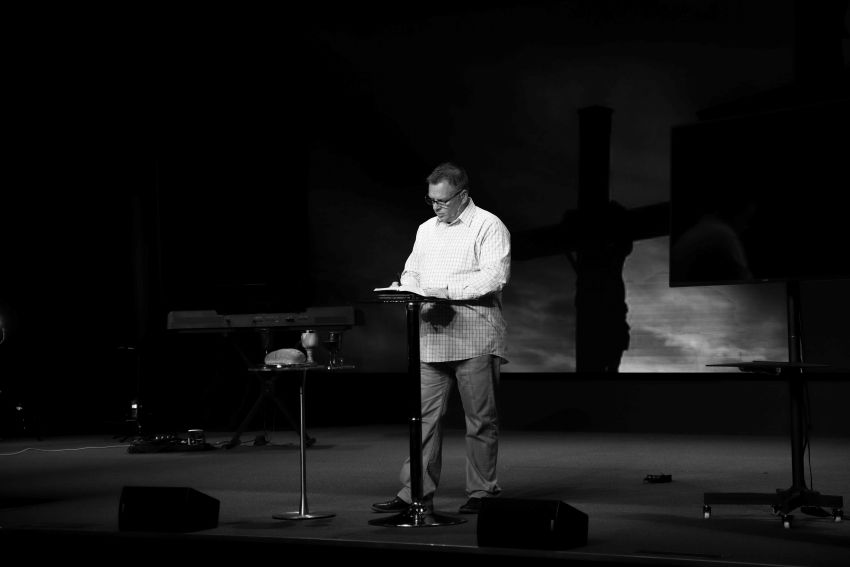
If I had only one sermon to deliver, I would preach it to the church as it stands today. In an age where compromise is celebrated and every belief is deemed acceptable; my burden would be to warn those who consider themselves righteous yet are on a path that does not lead to Heaven.
Jesus once spoke “to some who were confident of their own righteousness and looked down on everyone else” (Luke 18:9). Why are the righteous so prone to trusting in themselves? Borrowing Paul’s cadence from Romans 9, it is because they possess the outward treasures of the faith—the church, the Word, the sacraments, the offices, the confessions, the catechisms, the hymns, the psalms, the Sunday Schools, and the publishers. They have all the outward forms, but do they have the righteousness that comes only by faith? (Romans 9:30).
The parable of the Pharisee and the tax collector (Luke 18:9–14) exposes this danger. The Pharisee is clothed in polished virtues, shining with self-admiration. The tax collector, by contrast, is weighed down by real, inward sins that choke him before the living God. Yet it is the tax collector who goes home justified—because his hope rests not in himself, but in God’s mercy.
Self-righteousness is a subtle addiction. As Lewis observed in The Screwtape Letters, “To be greatly and effectively wicked a man needs some virtue.” The Pharisee’s virtue was gratitude—gratitude that he was not like other men. But his polished virtue blinded him. He thought himself blessed, yet he was cursed, because he refused the shelter of Christ’s righteousness. His own works became his refuge, not the gospel.
This parable teaches that contempt for others and trust in self-righteousness are inseparable. Where there is smoke—scorn for others—there is fire: reliance on one’s own righteousness. Do sneering words about others’ sins fill your home, your marriage, your private thoughts? Then it reveals how you see yourself before God. You believe you are acceptable because you are better than others. But such self-righteousness cannot pray for those you despise, nor wish them God’s blessing.
The Pharisee sought to trade with God—good deeds offered in exchange for divine favour. But God does not boast in human works. His favour rests only on those who desire His mercy. That is why the tax collector, despairing of himself, receives the blessing the Pharisee thought he had. He goes home justified, fully accepted, right with God.
Notice the signs of true faith: the tax collector stands far off, unwilling to lift his eyes, beating his breast, confessing his unworthiness. Yet he rises—not crushed under judgment, but lifted by mercy. Christ crucified atones for all sin: the sin of theft, the sin of pride, the sin of self-righteousness. Mercy abounds for them all.
This is the summons of the gospel: to come, not with polished virtues, but with empty hands, and to claim the mercies of Christ. The wretched sinner goes home justified, walking in newness of life.
This is the one sermon I would preach.
Blessings!
Eric